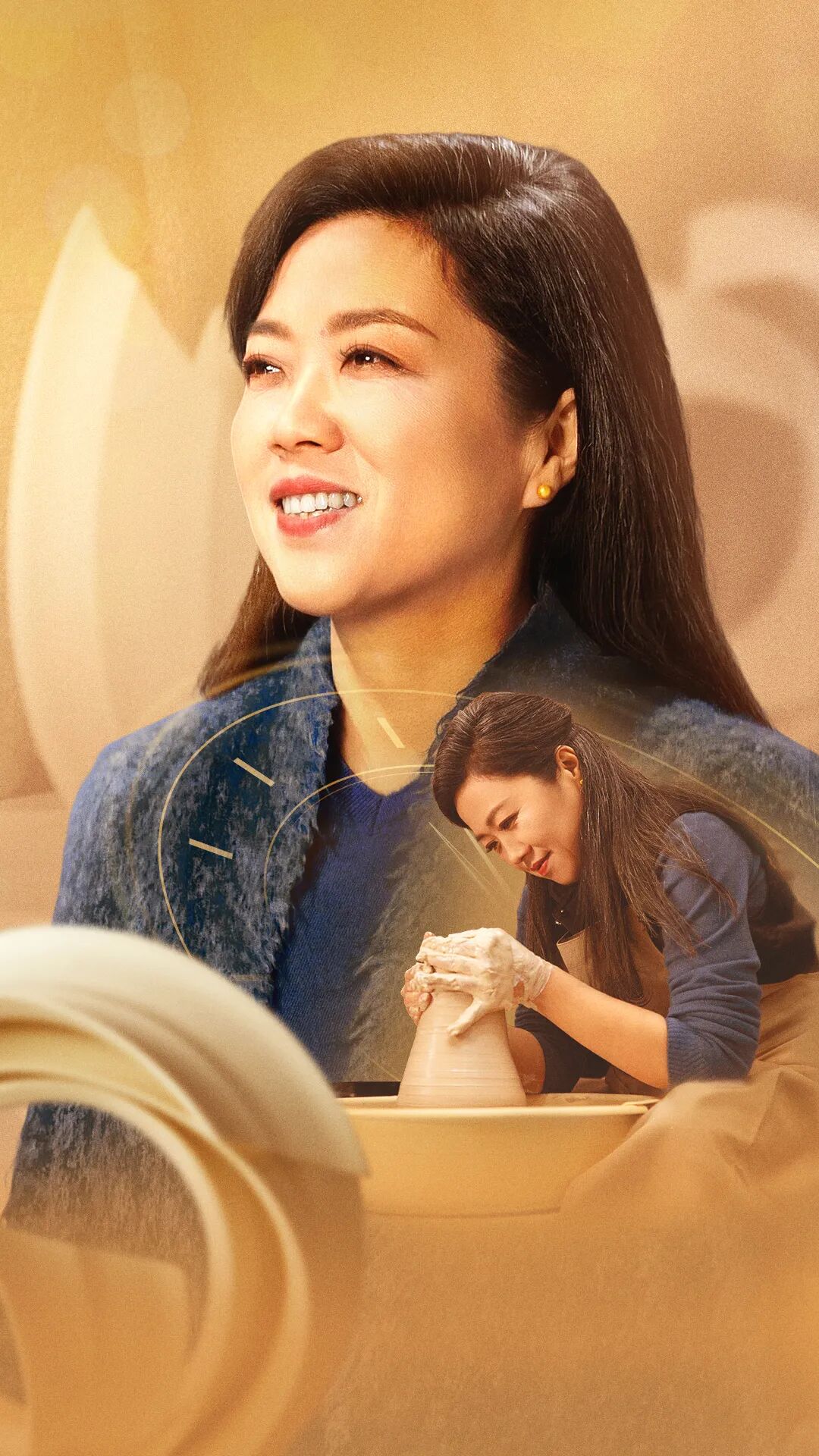
张婧婧
景德镇陶瓷大学副校长
全国人大代表
国际陶艺学会(IAC)会员
采访手记:
一场双年展,承载着陶瓷艺术国际化发展与中国文化“走出去”的双重使命。
在全球化浪潮下,陶瓷艺术的国际化发展既是时代需求,也是文化使命,它打破地域壁垒,推动传统技艺与现代审美,实现跨越国别、地域、民族的对话,让中国当代陶瓷艺术走向世界舞台。
在这样的背景下,张婧婧的国际视角具有系统性与战略性:这个平台的构建为陶瓷艺术的国际传播提供路径,通过策划展览、学术研讨、线上交流等多元方式,搭建起中外陶瓷艺术创作者的沟通桥梁,促进技艺互鉴与理念碰撞。以陶瓷讲述中国故事,更赋予这门古老艺术崭新的时代生命力,成为传递中国文化、展现中国精神的生动载体,助力文明互鉴与文化共融。
Q:于伶娜
A:张婧婧
Q:作为双年展的主办方与核心策划方,景德镇陶瓷大学赋予这场展览的核心定位是什么?相较于国内外其他陶瓷类展会,它的独特性与不可替代性体现在哪些方面?背后是怎样的文化叙事?
A:在世界百年变局加速演进的背景下,我们要以宽广的胸襟和博大的情怀,超越隔阂冲突,关照人类命运。陶瓷,一直就是一种世界语言,能够跨越国界、种族与文化差异,呈现世界文明互鉴的交流成果。我们期待将双年展建设为一个植根于景德镇、面向世界、着眼未来的“以瓷为媒、讲述陶瓷故事,讲述中国故事的国际平台”。
双年展要做的,是构建“以学术为纽带,推动文化交流、促进文化传播”,核心是建构当代陶瓷文化区域对话与生态共融的系统。要构建这样一个空间——让不同背景的陶瓷艺术思想、理念、技艺、风格在这里碰撞、交流、互鉴,呈现中国当代陶瓷艺术兼容并蓄、和而不同的发展理念。
这一平台也是推动陶瓷艺术国际化发展的有效路径,我们希望以多元文化为视角,以工艺创新为根基、以科技赋能为手段、以国际传播与合作为路径,创造相融共生的发展新范式。
同时,我们依托双年展构建“政府主导、高校联动、社会参与”的协同机制,设立专项基金,创立“一带一路陶瓷教育联盟”、“唐英瓷坊”等陶瓷文化交流与传播精品项目,推动与海外高校合作设立陶瓷文化课程或联合培养项目,构建陶瓷文化国际平台建设的长效机制。
对景德镇陶瓷大学而言,双年展不止是一个周期性展览,更是一项系统性的文化工程。核心在于学术的深度与引领性。通过持续举办这样高规格的国际展览,向世界讲述当代的陶瓷故事和中国故事。
前两届双年展的实践也印证了这一点,通过持续的学术交流与成果展示,让学校与国际陶瓷领域的联结更为紧密,也让更多人关注到中国的陶瓷教育和当代陶艺的创作活力。让世界通过一件件陶瓷作品,读懂中国的过去、现在与未来,也看见中国融通中外、贯通古今的文化发展理念,促进世界文明互鉴,增强国际社会对中华文化的感知与认同。
Q:“学术引领”是双年展的核心主旨,这一理念具体如何贯穿于策展全流程?
A:双年展的本质是承载学术内核的国际交流平台。我们不仅展示优秀陶瓷作品,更聚焦陶瓷艺术的理论研究、教育经验分享与思想碰撞。通过精准的策展理念、深度的学术研讨会、国际化的评委机制等,搭建起一个融通陶瓷艺术世界的思想场域。学术的厚度直接决定了展览的深度与可持续性,这也是作为专业陶瓷院校,我们理应肩负的责任。
创新始终是我们推崇的理念,国际化更是我们倡导的视角;我们也深刻领会国家对景德镇陶瓷文化提出的新发展理念;要以历史为基础,做好对传统文化的传承,同时积极创新创造,为行业发展找寻新的发展动力;没有传统的创新,缺少扎实的根基;没有创新的传承,更缺乏发展的动力;二者互为依存缺一不可。
在展览策划中,我们会探讨传统陶瓷艺术与技术的变革之路、探究新的历史背景下陶瓷创作的思维流变、探索国际化背景下陶瓷发展的未来发展方向、探寻数字时代陶瓷业界的新传播渠道与方式;积极探索构建一套由政府、智库、社交媒体和用户多方配合的多层次、多渠道的国际陶瓷文化交流与传播体系,以陶瓷艺术为媒介更好地讲述中国故事。
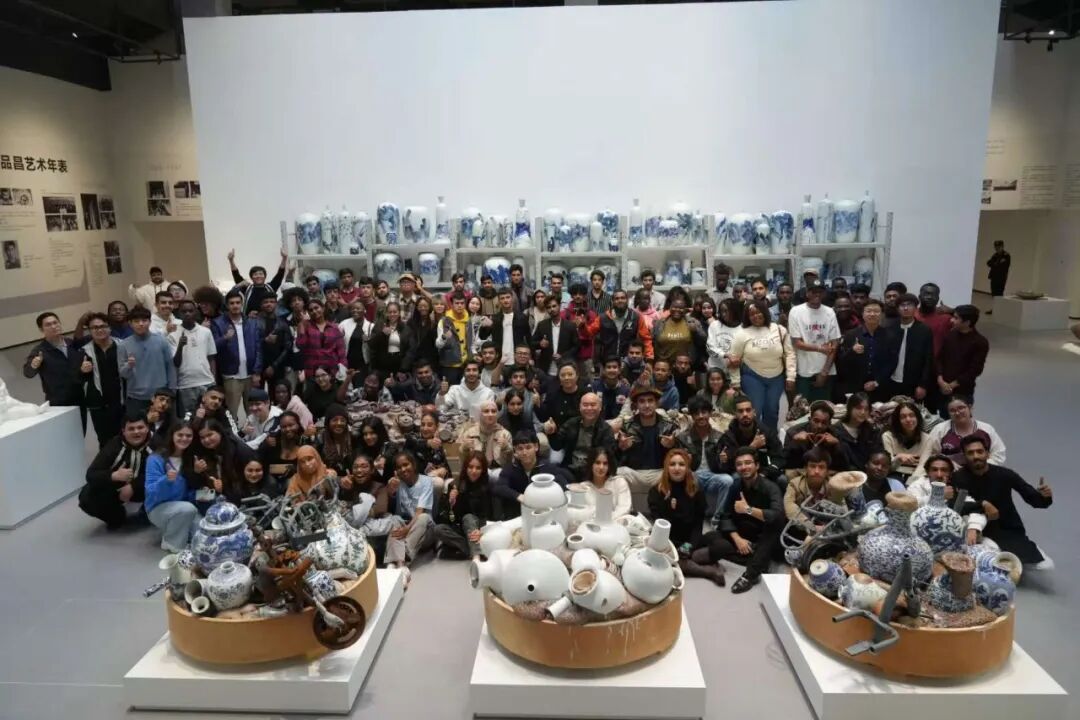
Q:2026年双年展将与IAC国际陶艺大会同期举办,形成“一展一会”的全球陶瓷文化盛事格局。这一“双IP”联动模式,如何呼应我国的文化发展战略?对景德镇建设国家陶瓷文化传承创新试验区又意味着什么?
A:是的,这正是将国家文化战略、地方发展需求、国际交流平台与陶瓷艺术特色深度融合的生动实践。
陶瓷是中国文化的重要符号,更是连接中外文明的传统媒介。总书记高度重视景德镇陶瓷文化,多次作出重要指示。在景德镇同期举办双年展与IAC大会,正是我们践行习近平文化思想、呼应国家文化战略,向世界生动讲述新时代中国陶瓷故事的主动作为。
陶瓷本身就是一个国际化符号,是世界认知中国的一个IP,我们期待借助这一“双IP”联动模式,把陶瓷文化IP纳入文化出海的国家战略,以“国际展览+陶艺大会”双输出提升国际认同,推动中国陶瓷从文化符号向国际IP转型升级。
这一过程中,我们始终践行习近平文化思想中“推动中华文化走出去”“促进文明交流互鉴”的要求,摒弃单向的“文化输出”,秉持“和而不同、美美与共”的理念。通过陶瓷这一载体,展现中国文化包容、和谐、共享的姿态,让世界看到中国文化的开放性与当代活力。
这也是我们构建文化平台的重要一环,通过“一展一会”的联动,吸引全球陶瓷界的目光,让景德镇成为全球陶瓷文化交流的核心枢纽,助力陶瓷艺术国际化发展。
IAC大会对景德镇而言,不仅是一场国际盛会,更是向全球陶瓷界展示城市历史底蕴、当代活力与未来愿景的重要窗口。我们将借此全面呈现中国在陶瓷文化保护、传承、创新与交流方面的理念与实践,让景德镇陶瓷文化成为中外文明对话的重要桥梁。
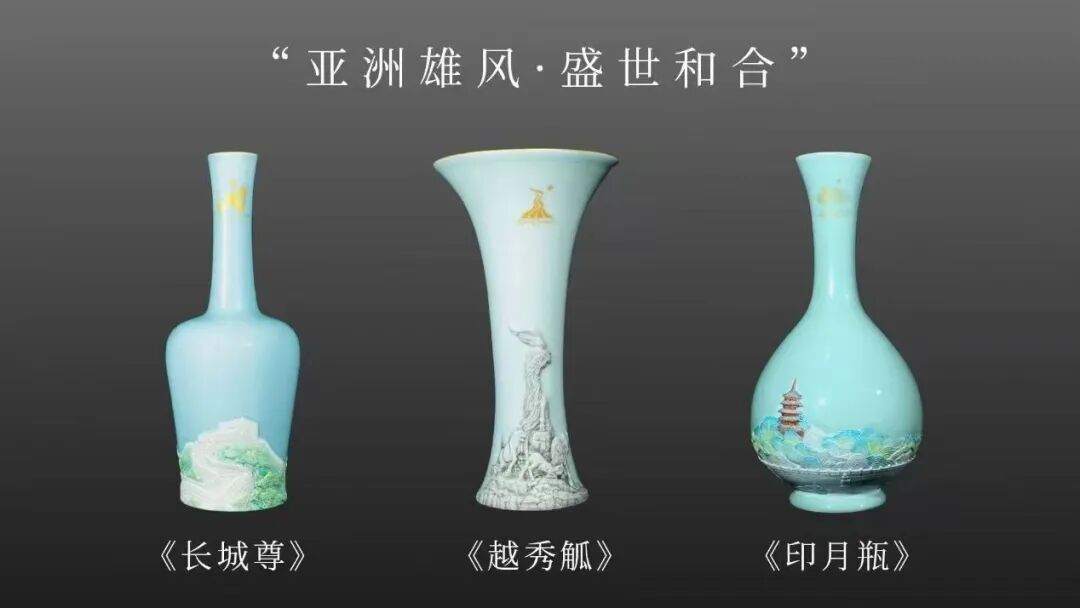
Q:景德镇能成为第二个举办IAC大会的中国城市,背后离不开长期的国际交流积淀,能否分享一下这段历程?
A:这确实有一段渊源。早年我代表学校申请加入国际陶艺学会(IAC),让陶瓷大学成为会员单位,这为我们参与国际陶瓷领域的交流打开了又一个重要通道。此后,我们一直积极参与IAC的各项国际活动,是IAC国际陶艺学会非常重要的会员单位之一,先后参与过芬兰年会的工作、并携手联合举办了前两次的陶瓷双年展,在国际陶瓷交流中持续贡献中国陶瓷界的力量。
这种长期的国际交流积淀,也是我们推动陶瓷艺术国际化发展的重要基础,通过持续参与国际活动,我们不断学习借鉴国际先进经验,同时也向世界展示中国陶瓷教育与创作的成果,为文化平台构建积累了丰富的资源与人脉。
正是这份长期的融入与付出,让我们获得了国际同行的认可,也抓住了申办机遇,与景德镇市委市政府形成合力,成功获得了2026年IAC大会的举办权。从成为会员到承办盛会,这是一个主动参与国际交流、持续贡献力量、最终获得信任与机遇的良性过程,更折射出中国陶瓷文化在国际舞台上影响力不断提升的态势。
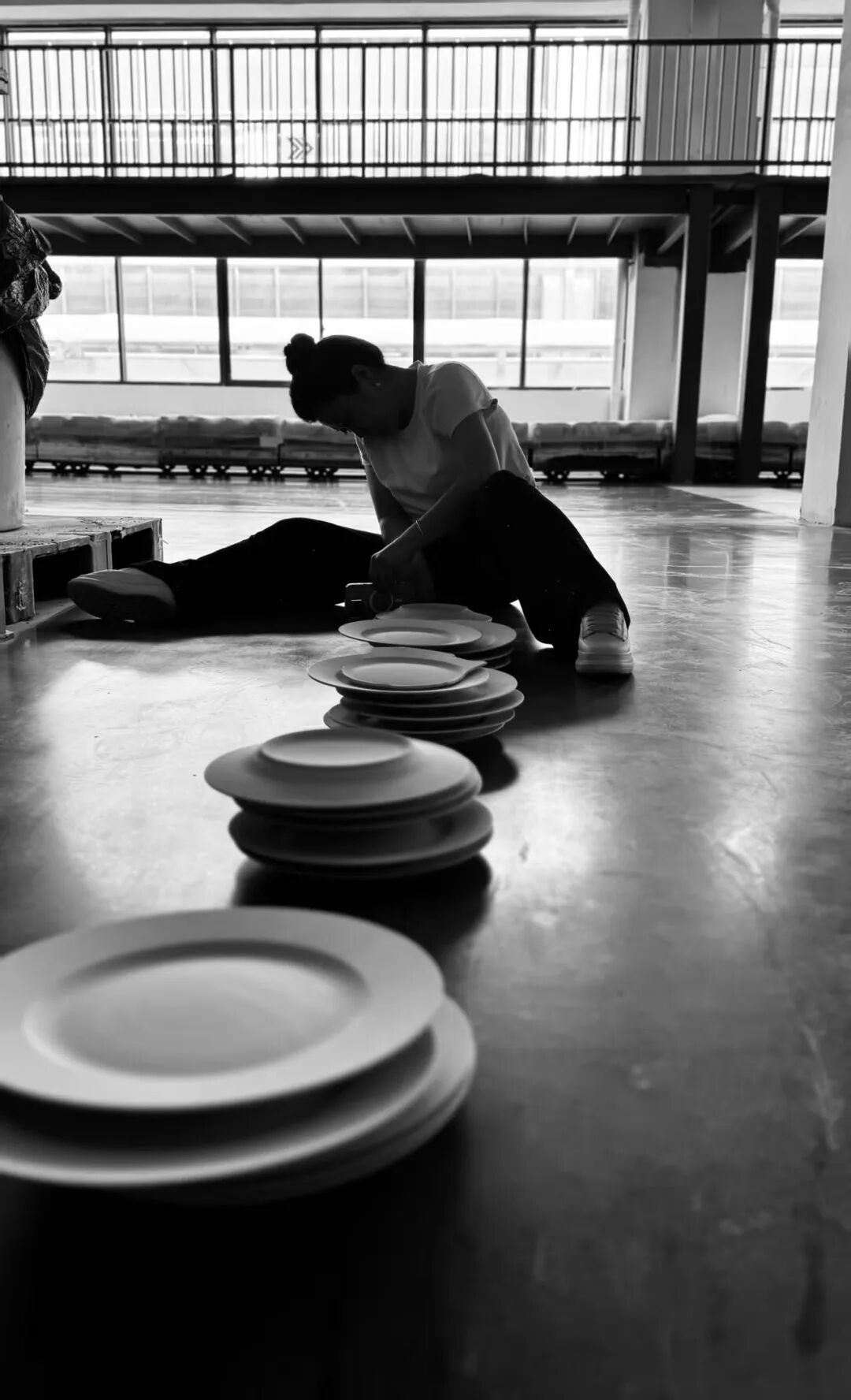
Q:你身兼全国人大代表、陶瓷艺术家、教育者多重身份,这些身份为你提供了独特的政策视野、艺术实践与教育传播能力。你是如何综合利用这些优势,构建文化平台,推动陶瓷文化的传承与国际传播,并最终以陶瓷为媒介向世界讲述中国故事的?
A:这些不同的身份让我能更全面、也更立体地去审视和推动陶瓷行业的发展。作为人大代表,以陶瓷文化为载体,讲好新时代中国故事是我一贯的坚持。2022年全国两会,我就提交了“推动江西景德镇御窑遗址申报世界文化遗产”的建议。2022年聚焦御窑厂申遗,2023年拓展至陶阳里历史街区,2024年进一步推动以御窑厂为核心的景德镇全域申遗,形成从点到面、逐步深化的推进思路,这也是对国家加强文化遗产保护、推动创新性发展要求的积极响应。申遗的过程,也是推动陶瓷国际化发展的过程,更是以陶瓷讲述中国故事的重要契机。
同时,在更广泛的履职中,我也持续关注陶瓷行业的绿色发展、非遗在职业教育中的传承,以及如何通过数字科技赋能,构建陶瓷文化国际传播的新范式。例如,我建议推动院校建立“非遗数字化”交叉学科,并利用区块链、元宇宙等技术,建设可追溯的陶瓷数字传播平台。这些思考也始终贯穿在双年展的策划与推进中,让展览不仅有艺术高度,更有现实意义。
为了更好地构建文化平台,景德镇陶瓷大学还有数百位不同国家的留学生和驻场艺术家,他们有的毕业后成为“洋景漂”继续创业,有的回到自己的国家教授陶瓷课程,能有效地推动陶瓷文化的传承与国际传播,用陶瓷向世界讲好中国故事。
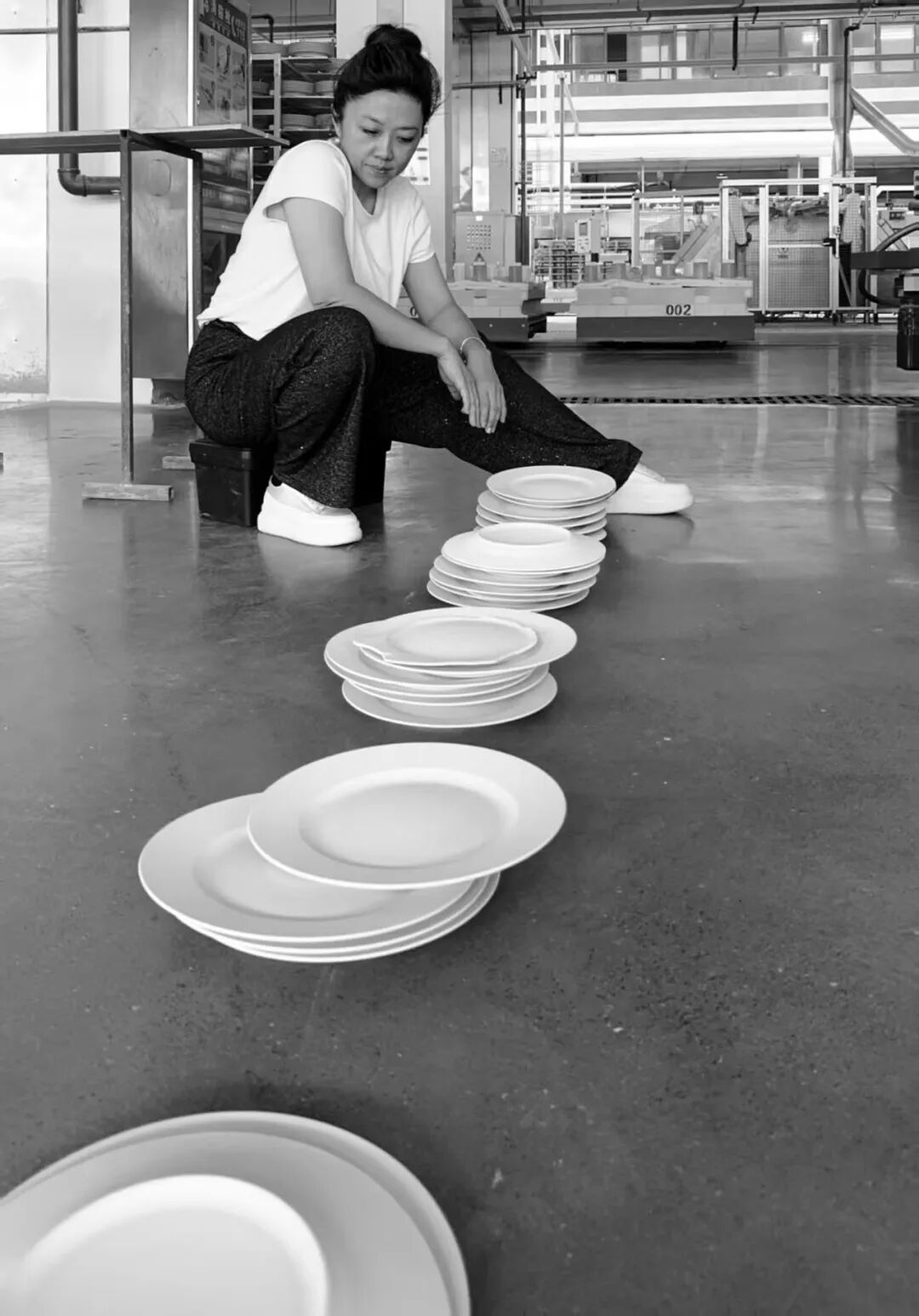
Q:对景德镇陶瓷大学而言,双年展除了提升国际影响力,在陶瓷艺术国际化发展方面带来了哪些实质性的推动?
A:双年展是推动陶瓷艺术国际化发展的重要载体,我们依托双年展,打造“陶瓷+”教育品牌,建立国家级陶瓷文化研学基地,开发沉浸式陶瓷体验课程,设计跨国别、区域的陶瓷文化交流活动,助力学生成长为具备国际视野的陶瓷人才。
首先,它直接推动了陶瓷教育的国际化进程。学校两万多名在校生面对的,不再仅仅是课本和课堂,而是一个“在家门口的国际展览”。学生可以亲眼看到全球最前沿的陶瓷作品,感受不同文化背景下的创作理念,打破认知局限。这种视野的打开,对于艺术学习至关重要。
更重要的是,这不仅是“看见”,更是“参与”。学校以双年展为依托,搭建起国际化教育平台,邀请国际艺术家驻场交流,开设跨文化创作工作坊,让学生真正实现“在家门口与世界对话”。这种沉浸式的国际交流体验,对培养具备国际视野的陶瓷人才至关重要,也正是学校多年来坚持开放办学的核心追求。
Q:双年展扎根景德镇,它如何与这座城市的历史底蕴、当代转型与未来愿景相融合?你认为展览对提升景德镇的国际形象与文化吸引力发挥了怎样的作用?
A:对景德镇而言,双年展的核心价值在于让这座城市的文化魅力被世界看见,让其文化价值获得更广泛的国际认同,并以此服务“国家陶瓷文化传承创新试验区”的建设目标。
它早已超越单纯的文化事件,成为推动城市国际化的标志性平台。通过展览,景德镇不再只是历史记忆中的“瓷都”,更成为当下全球陶瓷艺术创作与对话的核心现场之一。这种“被看见”的过程,不仅能增强城市的文化自信,更能提升国际形象,为城市长远发展注入持久动力。
双年展这一平台的构建,也推动了景德镇从“瓷都”向全球陶瓷文化交流核心枢纽转型,助力陶瓷艺术国际化发展,让景德镇成为以陶瓷讲述中国故事的重要阵地,吸引全球游客在泥与火的永恒叙事里找到自己的“诗与远方”。
Q:展望2026年双年展乃至更远的未来,你期待在展览中看到怎样的作品与对话?对于双年展本身的发展,你有怎样的愿景与规划?
A:我始终期待双年展能呈现兼具“文化根脉”与“国际视野”的作品,真正诠释“和而不同”的理念与创造性转化的实践。具体来说有两方面:
期待看到传统陶瓷工艺在当代语境下的精彩重生。景德镇的青花、粉彩、古彩、玲珑等传统技艺,如何通过艺术家的当代思考对接现代社会与审美;柴烧等古老智慧如何为当代创作注入灵魂,这些都是值得关注的方向。工艺是载体,更重要的是让工艺服务于全新的创作理念,展现“手的温度”与思想的光芒——这是人类智慧不可替代的价值,也是陶瓷文化传承的核心要义。这种传统与当代的融合,也是陶瓷艺术国际化发展的重要方向,通过将传统文化符号化作潮流单品,让陶瓷作品成为以陶瓷讲述中国故事的鲜活载体。
第二,期待呈现多元的世界陶瓷图景。既要展示陶瓷发达国家成熟精致的作品,更希望看到来自非洲、拉美等不同文化背景,尤其是发展中地区的创作。他们如何用当地的泥土、独特的工艺讲述本民族的故事,这种文化多样性正是陶瓷作为世界语言的魅力所在。这也与我们陶瓷大学打造“留学陶大”、“驻场陶大”、“唐英瓷坊”等国际陶瓷文化交流品牌的理念一致,都是希望构建一个让每一种陶瓷声音都能被听见、被尊重的国际文化交流生态。
对于双年展的未来,我希望能持续深化学术内核,强化其作为陶瓷文化战略平台的作用。景德镇陶瓷大学有责任也有能力,通过这一平台主动服务国家文化战略。未来我们将继续以“和而不同”为理念,在共建“一带一路”倡议框架下,推动双年展成为世界陶瓷艺术领域最具包容性、创造性与思想性的盛会之一,让陶瓷真正成为讲述中国故事、促进文明对话的重要载体。我们还将借助数字媒体平台扩大国际传播范围,吸引更多海外留学生前来学习陶瓷文化,让景德镇成为全球陶瓷文化交流的核心枢纽之一。
同时,我们也会积极拥抱科技与新兴媒介,用短视频、虚拟展示等年轻人喜爱的方式,让陶瓷文化“破圈”传播,助力陶瓷艺术国际化发展,让更多人通过陶瓷了解中国文化,更好地实现以陶瓷讲述中国故事的目标。
2026 “瓷的未来”景德镇国际陶艺双年展
报名截止时间:2025年12月31日
报名入口:
http://www.cjicb.com/News20251211.html
英文版
Exclusive Interview | Vice President Zhang Jingjing: Advancing the Internationalization of Ceramic Art and Fulfilling a National Cultural Mission
Zhang Jingjing
Vice President, Jingdezhen Ceramic University
Deputy to the National People’s Congress
Member, International Academy of Ceramics (IAC)
Interview Notes:
A single biennale carries a dual mission: advancing the international development of ceramic art and promoting Chinese culture on the global stage.
In the context of globalization, the internationalization of ceramic art is both a demand of the times and a cultural responsibility. It breaks down geographical barriers, bridges traditional craftsmanship with modern aesthetics, and enables dialogue across nations, regions, and cultures—bringing contemporary Chinese ceramic art onto the world stage.
Against this backdrop, Zhang Jingjing’s international perspective is both systematic and strategic. The construction of this platform provides clear pathways for the global dissemination of ceramic art. Through curated exhibitions, academic forums, and online exchanges, it builds bridges of communication between Chinese and international ceramic artists, fostering mutual learning in techniques and collisions of ideas. By telling Chinese stories through ceramics, this ancient art form is infused with renewed vitality for the present era, becoming a vivid medium for conveying Chinese culture and spirit, and contributing to mutual learning among civilizations and cultural integration.
Q :Yu Lingna
A :Zhang Jingjing
Q:As both the organizer and a core planner of the Biennale, how does Jingdezhen Ceramic University define the exhibition’s core positioning? Compared with other ceramic exhibitions at home and abroad, where do its uniqueness and irreplaceability lie, and what kind of cultural narrative underpins it?
A:In a world undergoing accelerating, once-in-a-century transformations, we must embrace a broad-minded and inclusive vision, transcending divisions and conflicts while keeping humanity’s shared destiny in view. Ceramics has always been a universal language, capable of crossing national borders, ethnicities, and cultural differences to embody the outcomes of mutual learning among civilizations. We aim to build the Biennale into an international platform rooted in Jingdezhen, oriented toward the world, and focused on the future—using ceramics as a medium to tell ceramic stories and, more importantly, to tell Chinese stories.
What the Biennale seeks to construct is a system that uses scholarship as a bond to promote cultural exchange and communication, with the core goal of building regional dialogue and ecological coexistence within contemporary ceramic culture. It is about creating a space where ceramic ideas, concepts, techniques, and styles from diverse backgrounds can collide, converse, and learn from one another, presenting the inclusive and harmonious-yet-diverse development philosophy of contemporary Chinese ceramic art.
This platform is also an effective pathway for advancing the internationalization of ceramic art. From a multicultural perspective, grounded in craft innovation, empowered by technology, and driven by international communication and cooperation, we aim to create a new paradigm of integrated and symbiotic development.
At the same time, leveraging the Biennale, we are building a collaborative mechanism led by government, coordinated by universities, and participated in by society at large. We have established special funds and launched flagship projects such as the “ ‘Ceramic Road’ International Ceramic Education Alliance” and the “Tang Ying Ceramic Workshop,” promoting cooperation with overseas universities to set up ceramic culture courses or joint training programs, and establishing long-term mechanisms for building international ceramic culture platforms.
For Jingdezhen Ceramic University, the Biennale is more than a periodic exhibition; it is a systematic cultural project, with academic depth and leadership at its core. By continuously hosting such high-level international exhibitions, we aim to tell contemporary ceramic stories and Chinese stories to the world.
The practices of the first two editions have already demonstrated this value. Through sustained academic exchange and presentation of achievements, the University has strengthened its connections with the international ceramic field and drawn greater attention to China’s ceramic education and the creative vitality of contemporary ceramic art. Through individual ceramic works, the world comes to understand China’s past, present, and future, and to see China’s cultural vision of integrating the domestic and the international, and connecting antiquity with the present—thereby promoting mutual learning among civilizations and enhancing global recognition of Chinese culture.
Q:“Academic leadership” is a core principle of the Biennale. How is thisconceptimplemented throughout the entire curatorial process?
A:At its essence, the Biennale is an international exchange platform anchored in an academic core. We do not merely display outstanding ceramic works; we also focus on theoretical research, the sharing of educational experience, and the collision of ideas in ceramic art. Through precise curatorial concepts, in-depth academic symposia, and an international jury mechanism, we build an intellectual arena that connects the global ceramic art world. The depth of scholarship directly determines the depth and sustainability of the exhibition, and this is a responsibility that we, as a professional ceramic university, must shoulder.
Innovation has always been a value we champion, and internationalization is a perspective we actively promote. We also deeply understand the new development concepts the nation has put forward for Jingdezhen’s ceramic culture: innovation must be grounded in history and tradition, while tradition must find new vitality through innovation. Innovation without tradition lacks a solid foundation; inheritance without innovation lacks momentum for development. The two are mutually dependent and indispensable.
In exhibition planning, we explore pathways for transformation in traditional ceramic art and technology, examine shifts in creative thinking under new historical conditions, consider future directions for ceramic development in an international context, and investigate new channels and methods of dissemination in the digital age. We actively seek to build a multi-level, multi-channel international ceramic culture exchange and communication system involving government, think tanks, social media, and users—using ceramic art as a medium to better tell Chinese stories.
Q:The 2026 Biennale will be held concurrently with the IAC International Ceramic Congress, forming a global ceramic cultural event under the model of “one exhibition, one congress.” How does this dual-IP linkage respond to China’s cultural development strategy, and what does it mean for Jingdezhen’s role as a National Ceramic Culture Inheritance and Innovation Experimental Zone?
A:Indeed, this is a vivid example of deeply integrating national cultural strategy, local development needs, international exchange platforms, and the unique characteristics of ceramic art.
Ceramics is an important symbol of Chinese culture and a traditional medium connecting Chinese and global civilizations. General Secretary Xi Jinping has attached great importance to Jingdezhen’s ceramic culture and issued important instructions on multiple occasions. Holding the Biennale and the IAC Congress concurrently in Jingdezhen is an active step in implementing Xi Jinping Thought on Culture and responding to national cultural strategies, vividly telling the story of Chinese ceramics in the new era to the world.
Ceramics itself is an international symbol—an IP through which the world recognizes China. Through this dual-IP model, we hope to integrate ceramic cultural IP into the national strategy of cultural “going global,” enhancing international recognition through the combined output of “international exhibition + ceramic congress,” and promoting the transformation and upgrading of Chinese ceramics from a cultural symbol into a global IP.
Throughout this process, we adhere to the principles of “promoting Chinese culture globally” and “enhancing exchanges and mutual learning among civilizations,” rejecting one-way “cultural export” in favor of the philosophy of “harmony in diversity and shared beauty.” Through ceramics, we present Chinese culture as inclusive, harmonious, and open, allowing the world to see its openness and contemporary vitality.
This is also a crucial step in building cultural platforms. Through the linkage of “one exhibition, one congress,” we draw global attention to Jingdezhen, positioning it as a core hub for global ceramic cultural exchange and advancing the internationalization of ceramic art.
For Jingdezhen, the IAC Congress is not only an international event but also an important window for showcasing the city’s historical depth, contemporary vitality, and future vision. Through it, we will comprehensively present China’s concepts and practices in the protection, inheritance, innovation, and exchange of ceramic culture, making Jingdezhen’s ceramic culture an important bridge for dialogue between Chinese and global civilizations.
Q:Jingdezhen will become the second Chinese city to host the IAC Congress, a milestone made possible by long-term accumulation in international exchange. Could you share this journey?
A:There is indeed a backstory. In earlier years, I represented the University in applying for membership in the International Academy of Ceramics, making Jingdezhen Ceramic University an institutional member and opening another important channel for international exchange. Since then, we have actively participated in IAC activities and become one of its key member institutions, contributing to the annual conference in Finland and co-organizing the first two Biennales, among other efforts.
This long-term accumulation of international exchange has been a crucial foundation for advancing the internationalization of ceramic art. Through continuous participation in global activities, we have learned from advanced international experience while showcasing the achievements of Chinese ceramic education and creation, accumulating rich resources and networks for platform building.
It was precisely this sustained engagement and contribution that earned recognition from international peers, enabling us—together with the Jingdezhen Municipal Party Committee and Government—to seize the opportunity and successfully secure the right to host the 2026 IAC Congress. From membership to hosting a global event, this positive cycle of proactive participation, sustained contribution, and eventual trust reflects the growing international influence of Chinese ceramic culture.
Q:As a Deputy to the National People’s Congress, a ceramic artist, and an educator, how do you integrate these roles to build cultural platforms, promote the inheritance and international dissemination of ceramic culture, and ultimately tell Chinese stories through ceramics?
A:These different roles allow me to view and advance the development of the ceramic field in a more comprehensive and multidimensional way. As an NPC deputy, I have consistently advocated telling China’s stories of the new era through ceramic culture. At the 2022 Two Sessions, I submitted a proposal on promoting the inscription of the Jingdezhen Imperial Kiln Site as a World Cultural Heritage site. The focus evolved from the Imperial Kiln Factory in 2022, to the Taoyangli Historic District in 2023, and further to a city-wide heritage inscription centered on the Imperial Kiln Factory in 2024—reflecting a step-by-step, point-to-area strategy that responds to national calls for strengthening cultural heritage protection and innovative development. The heritage application process itself is also a process of advancing the internationalization of ceramics and an important opportunity to tell Chinese stories through ceramics.
In my broader duties, I also continue to focus on the green development of the ceramic industry, the inheritance of intangible cultural heritage within vocational education, and the empowerment of ceramic culture through digital technologies. For example, I have proposed establishing interdisciplinary programs in “digitalization of intangible cultural heritage” and building traceable digital ceramic dissemination platforms using blockchain and metaverse technologies. These ideas are consistently integrated into the planning and advancement of the Biennale, ensuring that it carries not only artistic height but also real-world relevance.
To further strengthen cultural platforms, Jingdezhen Ceramic University hosts hundreds of international students and resident artists from many countries. Some remain in Jingdezhen as “Jingdezhen drifters” after graduation, while others return home to teach ceramics. Together, they effectively promote the inheritance and international dissemination of ceramic culture, telling Chinese stories through ceramics on a global scale.
Q:Beyond enhancing international influence, how has the Biennale concretely advanced the internationalization of ceramic art for Jingdezhen Ceramic University?
A:The Biennale is a key vehicle for advancing the internationalization of ceramic art. Building on it, we have developed a “Ceramics +” education brand, established national-level ceramic culture study-tour bases, created immersive ceramic experience courses, and designed cross-national and cross-regional ceramic cultural exchange activities—helping cultivate ceramic professionals with a global vision.
First, it directly promotes the internationalization of ceramic education. For over 20,000 students on campus, learning is no longer confined to textbooks and classrooms, but includes an “international exhibition at their doorstep.” Students can see the world’s most cutting-edge ceramic works firsthand, experience creative philosophies shaped by different cultural backgrounds, and break through cognitive limitations—an expansion of vision that is vital to artistic education.
More importantly, this is not only about “seeing,” but about “participating.” Leveraging the Biennale, the University has built an international education platform, inviting international artists for residencies, hosting cross-cultural creative workshops, and enabling students to truly “dialogue with the world at home.” This immersive international exchange is essential for cultivating ceramic talents with a global outlook and has long been at the heart of the University’s commitment to open education.
Q:Rooted in Jingdezhen, how does the Biennale integrate with the city’s historical heritage, contemporary transformation, and future vision? What role does it play in enhancing Jingdezhen’s international image and cultural appeal?
A:For Jingdezhen, the core value of the Biennale lies in making the city’s cultural charm visible to the world and earning broader international recognition for its cultural value, thereby serving the goal of building the National Ceramic Culture Inheritance and Innovation Experimental Zone.
It has long transcended the scope of a single cultural event, becoming a landmark platform for advancing the city’s internationalization. Through the Biennale, Jingdezhen is no longer merely the “Porcelain Capital” of historical memory, but one of the key contemporary sites for global ceramic creation and dialogue. This process of “being seen” not only strengthens cultural confidence but also enhances international image, injecting lasting momentum into the city’s long-term development.
The construction of the Biennale platform has also propelled Jingdezhen’s transformation from a “porcelain capital” into a global hub for ceramic cultural exchange, advancing the internationalization of ceramic art and making Jingdezhen an important base for telling Chinese stories through ceramics—attracting visitors from around the world to find their own “poetry and distant horizons” within the eternal narrative of clay and fire.
Q:Looking ahead to the 2026 Biennale and beyond, what kinds of works and dialogues do you hope to see? What is your vision for the future development of the Biennale itself?
A:I have always hoped that the Biennale will present works that embody both “cultural roots” and an “international vision,” truly interpreting the philosophy of “harmony in diversity” and the practice of creative transformation.
Specifically, I look forward to two aspects:
First, the vibrant rebirth of traditional ceramic techniques in a contemporary context. How can Jingdezhen’s traditional crafts—such as blue-and-white, famille-rose, ancient polychrome, and linglong—be reinterpreted through contemporary artistic thinking to connect with modern society and aesthetics? How can ancient wisdom such as wood firing infuse contemporary creation with soul? Craft is the carrier, but what matters more is enabling craft to serve new creative ideas, revealing both the “warmth of the hand” and the light of thought—values of human creativity that are irreplaceable and central to the inheritance of ceramic culture. This integration of tradition and contemporaneity is also a key direction in the internationalization of ceramic art, transforming traditional cultural symbols into contemporary expressions and making ceramic works vivid vehicles for telling Chinese stories.
Second, I hope to present a diverse global ceramic landscape. In addition to showcasing refined works from countries with strong ceramic traditions, I also hope to see creations from Africa, Latin America, and other regions with different cultural backgrounds, especially developing areas. How they use local clay and distinctive techniques to tell their own stories embodies the charm of ceramics as a universal language. This aligns with our initiatives such as “Study at JCU,” “Residency at JCU,” and the “Tang Ying Porcelain Studio,” all of which aim to build an international cultural exchange ecosystem where every ceramic voice can be heard and respected.
As for the future of the Biennale, I hope to continue deepening its academic core and strengthening its role as a strategic platform for ceramic culture. Jingdezhen Ceramic University has both the responsibility and the capability to proactively serve national cultural strategies through this platform. Guided by the principle of “harmony in diversity,” and within the framework of the Belt and Road Initiative, we will work to make the Biennale one of the most inclusive, creative, and intellectually vibrant events in the global ceramic art world—allowing ceramics to truly become a vital medium for telling Chinese stories and promoting dialogue among civilizations.
At the same time, we will actively embrace technology and emerging media, using formats favored by younger audiences—such as short videos and virtual exhibitions—to expand the reach of ceramic culture beyond traditional circles, further advancing the internationalization of ceramic art and enabling more people to understand Chinese culture through ceramics, thereby better realizing the goal of telling Chinese stories through ceramic art.
2026 “The Future of Ceramics” Jingdezhen International Ceramic Art Biennale
Registration Deadline:December 31, 2025
Registration Portal:
http://www.cjicb.com/News20251211.html
(责任编辑:刘欢 审稿:兰茜 刘欢)