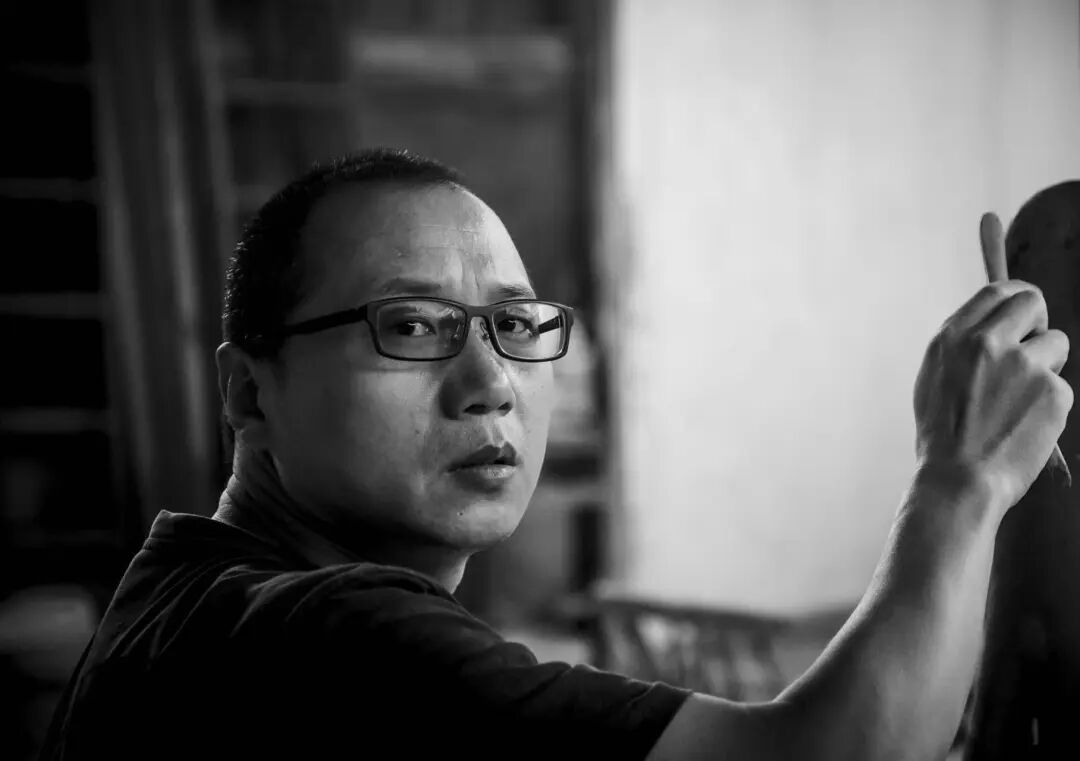
刘颖睿
天津美术学院雕塑系教授、硕士研究生导师
国际陶艺学会(IAC)会员
采访手记:
景德镇国际陶艺双年展的落地,在刘颖睿的眼里,既是中国当代陶艺主动构建国际话语体系的关键实践,更是以陶大百余年学科积淀为骨、中国鲜活的产业生态为脉,它以开放包容的姿态迎接工艺传承与材料实验的多元表达,打破了传统与当代、工艺与实验的边界,“早该出现,正逢其时”——这八个字,既道出了双年展的历史必然性,也映照出它在中国当代陶艺生态中承前启后的价值底色。这是一场景德镇与全球陶艺之间,迟来却必然发生的相遇。
Q:于伶娜
A:刘颖睿
Q:你曾在景德镇陶瓷大学学习并任教二十年,对这座城市和这所学校的陶艺脉络都非常熟悉。你觉得陶大举办这个国际陶艺双年展,有哪些独特的优势和特色?
A:我认为有两重非常鲜明的地缘优势。
一是学校自身——陶大拥有超过百年的办学历史,是中国唯一以陶瓷命名的多科性高等学府,学科体系完整,覆盖从材料科技、艺术创作到设计应用的整个生态链。
二是景德镇这座千年瓷都,窑火从未熄灭,并且近年来在当代创作与产业创新中迸发出新的活力。
在这样的地方举办国际性双年展,资源和氛围都是得天独厚。实际上,这样一个高规格的展览平台“早该出现”,过去因种种条件未成熟而延宕,如今在各方努力下得以实现,正逢其时。
Q:全球不乏历史悠久的陶艺展,比如意大利法恩扎、日本美浓、韩国京畿道,相较于这些成熟平台,景德镇双年展,最鲜明的差异化特色是什么?
A:每个展览都有其定位和特质。像京畿道双年展,更强调观念性与当代艺术语言的融合;美浓国际三年展已经连续举办13届,影响广泛,呈现出对东亚陶艺传统的深层观照。
景德镇双年展的特色在于“广度包容与价值引领并重”。首先是规模和覆盖面的突破,前两届就已经吸引了48个国家和地区的作品投稿,涵盖器皿、雕塑、绘画、装置、影像五大类别,这种多元兼容的格局是很多展览没有的。其次是激励机制的吸引力,2026年的总奖金高达200万元,还专门设立了50个“国中新锐奖”扶持青年创作者,这对全球尤其是年轻艺术家的吸引力很大。
更核心的是价值导向,2026景德镇双年展不局限于某一类人群或某一种风格,既容纳根植传统的手工艺创作,也鼓励陶瓷与AI、虚拟技术结合的跨界实验,这正好呼应了“瓷的未来”的主题——不是单一方向的探索,而是多元路径的共生。
Q:从评审视角出发,前两届展览中哪些现象让你印象深刻?这些积累对2026年聚焦“瓷的未来”有何启示?
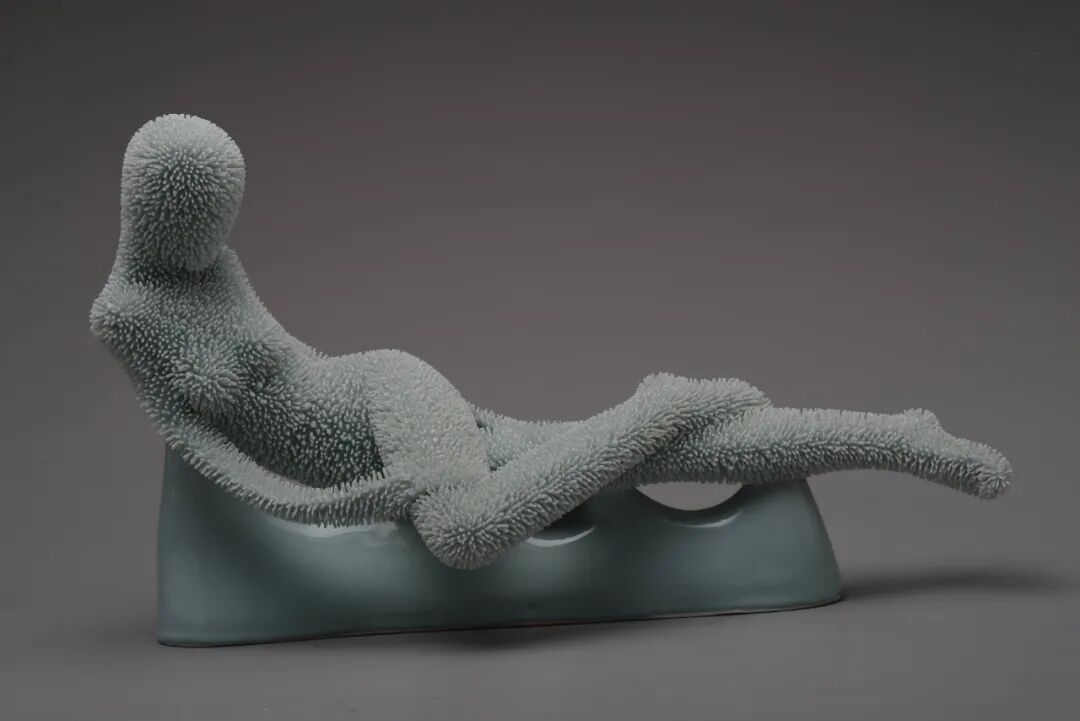
A:前两届给我最深的印象,是它打破了以往陶瓷展往往偏向工艺美术或装饰美学的局限,呈现出更开阔的当代面貌。比如艺术家郅敏的作品,运用陶瓷材料进行极具当代性的装置表达,注重观念与材料的实验性。这类作品能够在以陶瓷为主题的展览中亮相,是非常有意义的信号。
当然,展览中也有大量体现精湛工艺与匠心传承的作品,这很好。但我们不能忘记,陶瓷材料本身也是当代艺术中非常重要且被广泛使用的一种媒介。双年展能包容这样的作品,体现了一种非常开放的态度,没有仅仅局限在传统或现代形式感的陶瓷上,而是拓展了陶瓷材料的内涵,这很难得。
Q:陶艺教育始终是你关注的领域。在你看来,这场高规格双年展对当下陶艺教育的推动,会体现在哪些具体层面?尤其对青年学子而言,它的价值何在?
A:这种推动是直接且双向的。本质上是搭建了“教学与前沿实践对接的桥梁”。对院校来说,双年展就像一个“教学成果展示场”,学生的作品能在这里与全球顶尖作品对话,老师也能通过展览把握行业前沿动向,反过来优化教学内容。
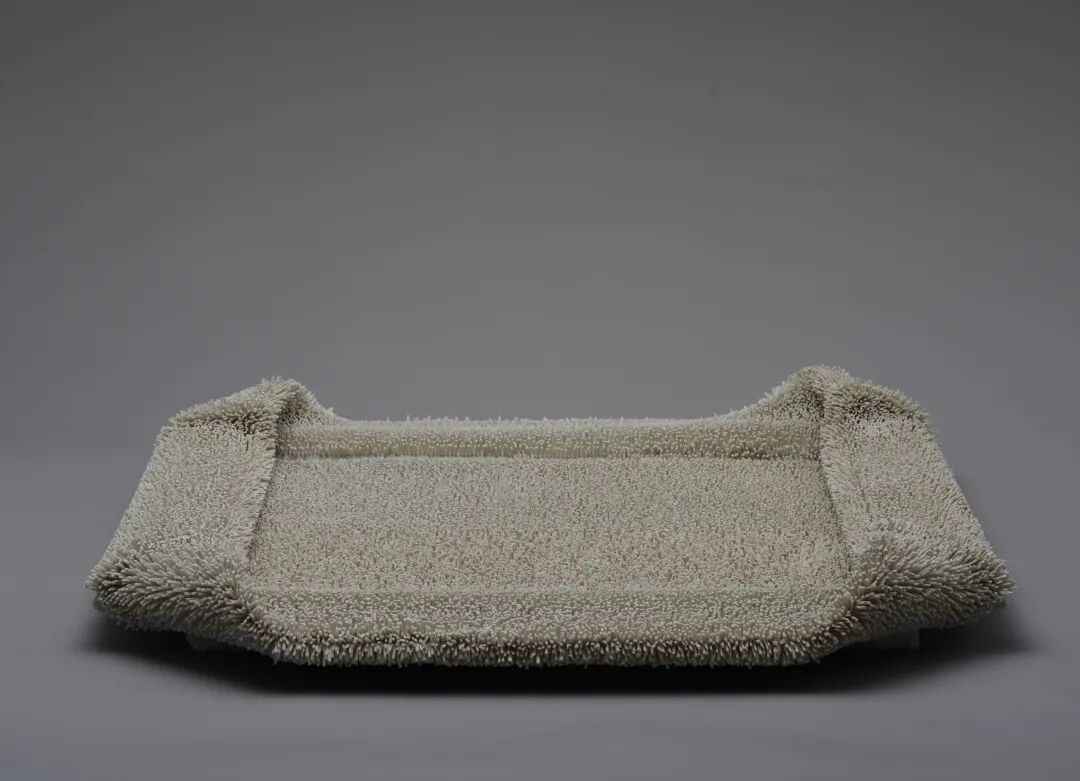
对学生而言,价值更是多维度的:一是开阔视野,展览汇聚了全球艺术家的创作手法,比如有的将陶瓷与影像结合,有的探索纳米陶瓷材料,学生能在现场看到全球艺术家如何理解与运用陶瓷,接触到不同的创作方法与材料观念,现场观摩的冲击力远超书本;二是提供成长阶梯,很多年轻人通过参展、获奖积累经验,就像本届的“国中新锐奖”,专门为青年创作者铺路,这种认可对他们坚持艺术道路是很大的激励;三是建立交流网络,能和国内外同行直接对话,甚至获得合作机会,这对他们长远发展至关重要。
Q:你一直强调“景德镇早该有这样的双年展”,这份迫切感背后,是否藏着对中国当代陶艺发展的深层思考?能否结合过往经历谈谈这份期待的由来?
A:这份期待,本质上是希望中国当代陶艺能“主动构建自己的话语体系”。十几年前,一位研究中国古陶瓷的英国收藏家来景德镇,他说对中国古代陶瓷了如指掌,却对当代陶瓷一无所知,特意来寻找优质作品。这件事给我触动很大:别人都主动上门了解我们了,我们却没有一个高水平平台主动展示自己。过去很长一段时间,我们向外输出的多是商业化产品,外界无法看到中国当代陶艺的真实水平。
我在陶大任教研室主任时,就想推动这样的国际展览——景德镇作为千年瓷都,理应有一个与其地位匹配的学术平台,既让世界看到中国当代陶艺的活力,也让国内创作者有集中展示、交流的机会。现在双年展做到了,还成为国家陶瓷文化传承创新试验区的重要支撑,这正是我们一直期待的“主动发声”。
Q:2026年双年展主题聚焦“瓷的未来”,而当下AI、虚拟技术等新媒介正深刻影响艺术创作。从创作者视角,你认为当代陶艺面临哪些挑战?又该如何应对?
A:挑战确实存在,核心是“传统媒介在数字时代如何立足”。AI、虚拟技术带来的沉浸式、互动性体验,对传统静态的陶瓷作品来说,确实在吸引大众注意力上有冲击,这不是陶瓷独有的问题,很多传统艺术都面临类似困境。
但不必过度焦虑,陶瓷有其不可替代的优势——泥土的温度感、手工创作的独特性,还有跨越文明的文化属性,这些都是冰冷的数字媒介无法复制的,这也是全球年轻人仍愿意汇聚景德镇的原因。
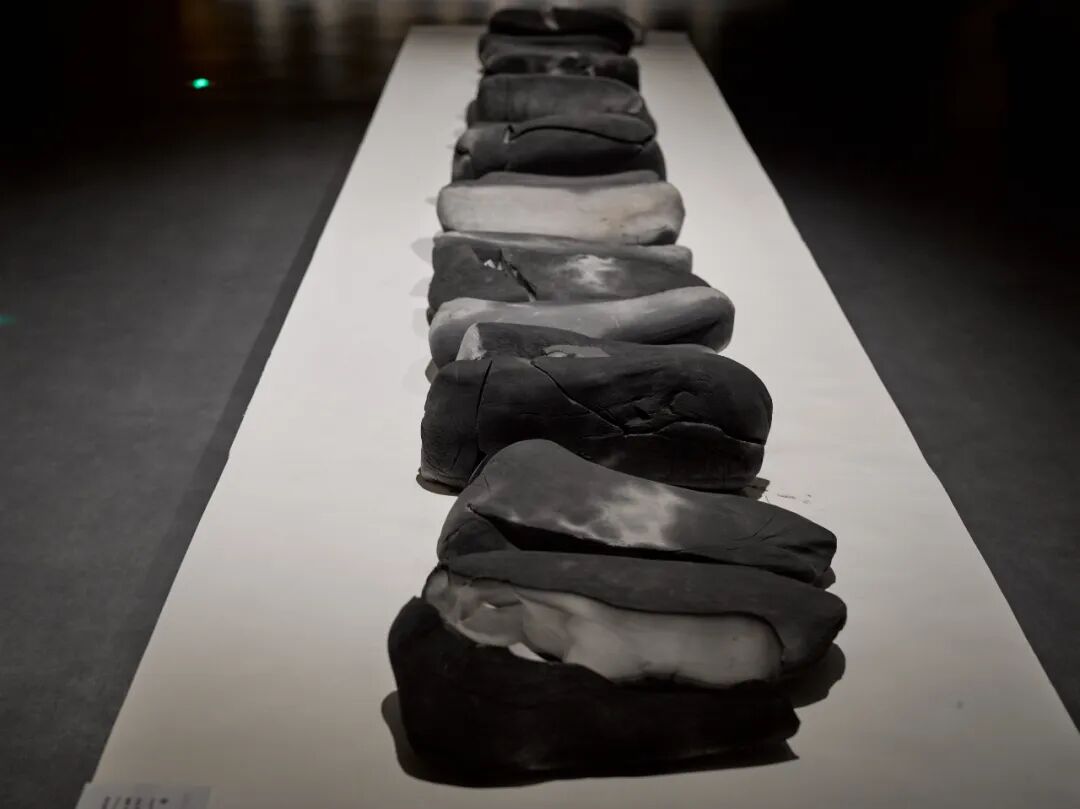
应对之道,我觉得是在变化中坚守本质,在冲击中寻找对话。一方面要守住陶瓷的材料特性和文化根脉,这是我们的立身之本;另一方面要主动拥抱新技术,比如现在已有创作者尝试用AI辅助设计,或把虚拟投影与陶瓷装置结合,这正是“瓷的未来”鼓励的方向——在变化中坚守,在冲击中寻找新可能。
Q:2026年6月,第三届双年展将与世界陶艺大会同期举行,全球目光将聚焦景德镇,你对这场盛会有哪些具体期待?
A:我的期待核心是“更开放、更多元、更具新锐力量”。首先希望能有更多“新面孔”出现,不管是不同国籍、不同年龄段的艺术家,还是跨界创作者——本届特意增加了跨界艺术工作者,这很有意义,或许能带来陶瓷与其他领域结合的惊喜。
其次,希望能看到更多回应“瓷的未来”主题的创新作品,比如在材料探索、技术融合、观念表达上有突破的创作,既展现中国当代陶艺的水平,也为全球陶艺发展提供新思路。最后,期待双年展能进一步强化平台效应,不只是展览期间的盛会,更能成为长期的交流纽带,让景德镇真正成为全球陶瓷文化交流的核心枢纽,让“瓷的未来”有更持久的生命力。
Q:结合你年轻时的参展经历,能否给渴望参与这类高规格展览的年轻创作者一些建议?参展对艺术道路的长远意义是什么?
A:我最大的建议是“多走出去,多沉下来”。参展不只是“展示作品”,更重要的是“学习交流”——研究同行的创作思路,倾听评委的点评,哪怕没获奖,这些经历都是宝贵的成长养分。
参加双年展对年轻创作者来说,一是可以突破自我局限,避免困在自己的小圈子里,通过对比找到自己的定位;二是获得精神支撑,同行的认可、观众的反馈,甚至是参展过程中的挫折,都能让你更清晰地知道自己为什么要坚持创作。我年轻时就是靠着这种一次次的参展交流,才慢慢明确了创作方向,那些真诚的认可,就像艺术道路上的灯火,照亮我以后的路。
2026 “瓷的未来”景德镇国际陶艺双年展
报名截止时间:2025年12月31日
报名入口:
http://www.cjicb.com/News20251211.html
英文版
ExclusiveInterview|Liu Yingrui:Long Overdue, and Arriving at Exactly the Right Time
Interview Notes:
In Liu Yingrui’s view, the launch of the Jingdezhen International Ceramic Art Biennale is not only a key practice in China’s contemporary ceramics proactively building its own international discourse system, but also an open and inclusive platform rooted in over a century of disciplinary accumulation at Jingdezhen Ceramic University and nourished by China’s vibrant industrial ecosystem. Embracing diverse expressions ranging from craft traditions to material experimentation, the Biennale breaks down the boundaries between tradition and contemporaneity, craftsmanship and experimentation. “Long overdue, and arriving at exactly the right time”—these words capture both the historical inevitability of the Biennale and its bridging role within the ecology of contemporary Chinese ceramics. It marks a belated yet inevitable encounter between Jingdezhen and global ceramic art.
Liu Yingrui
Professor, Sculpture Department, Tianjin Academy of Fine Arts
Master’s Supervisor
Member, International Academy of Ceramics (IAC)
Q:Yu Lingna
A:Liu Yingrui
Q:You studied and taught at Jingdezhen Ceramic University for twenty years and are deeply familiar with the ceramic lineage of both the city and the institution. What do you see as the unique advantages and characteristics of Jingdezhen Ceramic University in hosting this international ceramic biennale?
A:I believe there are two very distinct geographical advantages.
First is the university itself. Jingdezhen Ceramic University has a history of more than a hundred years and is China’s only comprehensive higher education institution named after ceramics. It has a complete disciplinary system, covering the entire ecosystem from materials science and technology to artistic creation and design applications.
Second is the city of Jingdezhen, the millennium-old porcelain capital, where kiln fires have never gone out and which in recent years has seen new vitality emerge in contemporary creation and industrial innovation.
Holding an international biennale in such a place offers unparalleled resources and atmosphere. In fact, a high-level exhibition platform of this kind was long overdue. In the past, various conditions were not yet mature, which delayed its realization. Today, through the efforts of many parties, it has finally come into being—arriving at exactly the right time.
Q:There are many long-established ceramic exhibitions around the world, such as Faenza in Italy, Mino in Japan, and Gyeonggi in South Korea. Compared with these mature platforms, what is the most distinctive feature of the Jingdezhen Biennale?
A:Every exhibition has its own positioning and character. The Gyeonggi Biennale, for example, places greater emphasis on conceptual approaches and integration with contemporary art language, while the Mino International Triennale, now in its 13th edition, has broad influence and offers a deep engagement with East Asian ceramic traditions.
The distinguishing feature of the Jingdezhen Biennale lies in its balance between broad inclusiveness and value-oriented leadership. First is its breakthrough in scale and scope. In just the first two editions, it has already attracted submissions from 48 countries and regions, covering five major categories: vessels, sculpture, painting, installation, and video. This level of diversity and inclusivity is rare among many exhibitions. Second is the appeal of its incentive mechanisms: the total prize fund for 2026 reaches 2 million RMB, and 50 “Guozhong Emerging Artist Prizes” have been specially established to support young creators, making it highly attractive to artists worldwide, especially younger ones.
More fundamentally, it is the value orientation. The 2026 Jingdezhen Biennale is not limited to a specific group of people or a single style. It accommodates both craft-based creations rooted in tradition and cross-disciplinary experiments that combine ceramics with AI and virtual technologies. This directly resonates with the theme “The Future of Ceramics”—not a single-direction exploration, but the coexistence of multiple pathways.
Q:From a juror’s perspective, what phenomena from the first two editions left a deep impression on you? What insights do these experiences offer for the 2026 focus on “The Future of Ceramics”?
A:What impressed me most about the first two editions was their break from the conventional limitations of ceramic exhibitions, which often lean toward arts-and-crafts or decorative aesthetics, and their presentation of a much broader contemporary outlook. For example, works by the artist Zhi Min used ceramic materials for highly contemporary installation-based expressions, emphasizing conceptual and material experimentation. The inclusion of such works in a ceramics-themed exhibition is a very meaningful signal.
Of course, there were also many works that showcased exquisite craftsmanship and the inheritance of artisanal spirit, which is wonderful. But we must not forget that ceramic material itself is also a very important and widely used medium in contemporary art. The Biennale’s ability to embrace such works reflects a highly open attitude. It does not confine ceramics solely to traditional or modern formal expressions, but instead expands the connotations of ceramic material—something truly rare and valuable.
Q:Ceramic education has always been a field you care deeply about. In your view, in what concrete ways does a biennale of this caliber promote contemporary ceramic education, especially for young students?
A:This kind of promotion is direct and bidirectional. Essentially, it builds a bridge between teaching and frontier practice. For academic institutions, the Biennale functions like a “showcase of teaching outcomes.” Students’ works can enter into dialogue with top global creations, while teachers can grasp cutting-edge trends through the exhibition and, in turn, optimize their teaching content.
For students, the value is even more multidimensional. First, it broadens horizons. The exhibition brings together creative approaches from artists around the world—some combining ceramics with video, others exploring nano-ceramic materials. Students can see firsthand how artists globally understand and use ceramics, encountering diverse creative methods and material concepts. The impact of on-site viewing far exceeds that of textbooks. Second, it provides a ladder for growth. Many young people accumulate experience through participation and awards. Initiatives like the “Guozhong Emerging Artist Prizes” are specifically designed to pave the way for young creators, and such recognition is a powerful incentive to persist on the artistic path. Third, it helps build networks of exchange, enabling direct dialogue with peers at home and abroad and even opening opportunities for collaboration, which is crucial for long-term development.
Q:You have often emphasized that “Jingdezhen should have had such a biennale long ago.” Does this sense of urgency reflect deeper reflections on the development of contemporary Chinese ceramics? Could you share the origins of this expectation based on your past experience?
A:At its core, this expectation stems from the hope that contemporary Chinese ceramics can proactively construct its own discourse system. More than a decade ago, a British collector specializing in ancient Chinese ceramics came to Jingdezhen. He told me that he knew ancient Chinese ceramics inside out, but knew almost nothing about contemporary ceramics, and had come specifically to look for high-quality works. This deeply struck me: others were actively seeking to understand us, yet we lacked a high-level platform to present ourselves proactively. For a long time, what we exported to the outside world were mostly commercial products, and the international community could not see the true level of contemporary Chinese ceramics.
When I was serving as head of a teaching and research office at Jingdezhen Ceramic University, I had already hoped to promote such an international exhibition. As a millennium-old porcelain capital, Jingdezhen deserves an academic platform commensurate with its status—one that allows the world to see the vitality of contemporary Chinese ceramics and provides domestic creators with a concentrated space for display and exchange. Today, the Biennale has achieved this and has also become an important pillar of the National Ceramic Culture Inheritance and Innovation Experimental Zone. This is precisely the kind of “proactive voice” we had long hoped for.
Q:The 2026 Biennale focuses on the theme “The Future of Ceramics,” while AI, virtual technologies, and other new media are profoundly influencing artistic creation today. From a creator’s perspective, what challenges does contemporary ceramics face, and how should they be addressed?
A:The challenges are real, and the core issue is how traditional media can find their footing in the digital age. Immersive and interactive experiences brought by AI and virtual technologies do indeed challenge traditional static ceramic works in terms of attracting public attention. This is not a problem unique to ceramics; many traditional art forms face similar situations.
However, there is no need for excessive anxiety. Ceramics possesses irreplaceable strengths—the warmth of clay, the uniqueness of handmade creation, and its cultural attributes that transcend civilizations. These are things that cold digital media cannot replicate, and they are also the reasons why young people from around the world continue to gather in Jingdezhen.
The way forward, in my view, is to hold fast to essence amid change and seek dialogue amid impact. On the one hand, we must safeguard the material characteristics and cultural roots of ceramics—this is our foundation. On the other hand, we should actively embrace new technologies. Some creators are already experimenting with AI-assisted design or combining virtual projection with ceramic installations. This is precisely the direction encouraged by “The Future of Ceramics”: holding fast in the midst of change, and discovering new possibilities amid impact.
Q:In June 2026, the 3rd Biennale will be held concurrently with the World Ceramic Art Conference, drawing global attention to Jingdezhen. What specific expectations do you have for this grand event?
A:My core expectations are greater openness, greater diversity, and a stronger presence of emerging forces. First, I hope to see more “new faces,” whether artists of different nationalities and age groups, or cross-disciplinary creators. The special inclusion of cross-disciplinary practitioners in this edition is highly meaningful and may well bring unexpected synergies between ceramics and other fields.
Second, I hope to see more innovative works that respond to the theme “The Future of Porcelain,” especially those that break new ground in material exploration, technological integration, and conceptual expression—works that not only demonstrate the level of contemporary Chinese ceramics, but also offer new ideas for the global development of ceramic art. Finally, I hope the Biennale can further strengthen its platform effect, becoming not just a grand event during the exhibition period, but a long-term network of exchange, truly making Jingdezhen a core hub for global ceramic culture exchange and giving lasting vitality to “The Future of Ceramics.”
Q:Drawing on your own experiences of exhibiting when you were younger, what advice would you give to young creators eager to participate in high-level exhibitions like this? What is the long-term significance of participation for an artistic career?
A:My strongest advice is to “go out more, and settle down more.” Participating in exhibitions is not just about “showing work,” but more importantly about learning and exchange—studying the creative approaches of peers, listening to jurors’ feedback. Even if you do not win an award, these experiences are invaluable nourishment for growth.
For young creators, participating in a biennale offers, first, a chance to break through self-imposed limitations and avoid being trapped in a small circle, finding one’s own position through comparison; and second, spiritual support. Recognition from peers, feedback from audiences, and even setbacks encountered during participation can all help clarify why you persist in creation. When I was young, it was precisely through repeated participation and exchange that I gradually clarified my creative direction. Those moments of sincere recognition were like lights along the artistic road, illuminating the path ahead.
2026 “The Future of Ceramics” Jingdezhen International Ceramic Art Biennale
Registration Deadline:December 31, 2025
Registration Portal:
http://www.cjicb.com/News20251211.html
(责任编辑:刘欢 审稿:兰茜 刘欢)